Introduction: The Critical Lens of an Industry Analyst
For industry analysts operating within the dynamic and often opaque landscape of online gambling, a meticulous understanding of casino terms and conditions is not merely a regulatory compliance exercise; it is a fundamental pillar of risk assessment, competitive analysis, and consumer protection advocacy. The proliferation of online casinos, particularly in regulated markets such as Denmark, necessitates a keen eye for identifying potentially unfair or predatory clauses that can significantly impact player experience, operator reputation, and ultimately, market stability. This article delves into the critical aspects of discerning such terms, providing a framework for analysts to evaluate the fairness and transparency of online casino offerings. Understanding these nuances is paramount for assessing an operator’s long-term viability and ethical standing. For a broader overview of payment methods and casino offerings in the Danish market, you might find it useful to Gå til siden https://hurtigudbetalingcasino.com/danske-skrill-casinoer.
Deconstructing Unfairness: Key Areas of Concern
Unfair terms often manifest in subtle ways, embedded within lengthy legal documents that few players fully scrutinize. For analysts, the task is to proactively identify these red flags.
Wagering Requirements and Bonus Conditions
One of the most common areas for unfairness lies within bonus terms and associated wagering requirements. While bonuses are a key marketing tool, their conditions can be designed to make withdrawal exceptionally difficult.
- Exorbitant Wagering Multiples: A wagering requirement of 30x or 40x the bonus amount (or bonus + deposit) is generally considered standard. Requirements exceeding 50x, especially on both bonus and deposit, should raise immediate concerns. Analysts should compare these multiples across competitors to identify outliers.
- Game Contribution Weightings: Often, not all games contribute equally to wagering requirements. Slots typically contribute 100%, but table games like blackjack or roulette might contribute as little as 5% or even 0%. Unfair terms might heavily restrict game types, making it practically impossible to meet the requirements with preferred games.
- Maximum Bet Limits During Wagering: Casinos often impose a maximum bet limit while a bonus is active. While a reasonable limit (e.g., €5) is understandable to prevent bonus abuse, overly restrictive limits (e.g., €0.50 or €1) can prolong the wagering process unnecessarily, increasing the likelihood of players losing their funds before meeting the conditions.
- Short Expiry Periods: Bonuses with extremely short expiry periods (e.g., 72 hours for a large wagering requirement) are designed to pressure players, often leading to rushed and ill-advised betting.
- Non-Withdrawable Bonus Funds: Some casinos offer “sticky” bonuses that can be used for play but never withdrawn, even after wagering. While this is sometimes clearly stated, ambiguity around this can be a sign of unfairness.
Withdrawal Policies and Limits
The ability to access winnings is fundamental. Unfair withdrawal terms can severely undermine player trust and satisfaction.
- Low Maximum Withdrawal Limits: Daily, weekly, or monthly withdrawal limits that are disproportionately low compared to potential winnings can trap players’ funds within the casino. For instance, a €5,000 monthly limit on a casino offering progressive jackpots in the millions is inherently unfair.
- Excessive Processing Times: While some processing time is expected for security checks, consistently long processing times (e.g., more than 72 hours for verified accounts) without clear justification can be a tactic to encourage reverse withdrawals.
- Hidden Fees: Unjustified or excessive fees for withdrawals, especially for standard payment methods, erode player winnings and signal an unfair practice.
- “Dormant Account” Clauses: Terms that allow casinos to confiscate funds from accounts deemed “dormant” after a relatively short period (e.g., 6 months) without adequate notification are highly predatory.
- KYC (Know Your Customer) Delays: While KYC is crucial for regulatory compliance, some operators deliberately prolong or complicate the verification process, using it as a pretext to delay or deny withdrawals. Analysts should scrutinize the clarity and efficiency of KYC procedures.
Account Management and Termination
The terms governing account creation, suspension, and termination are critical for understanding player rights and operator power.
- Unilateral Account Closure Without Just Cause: Clauses that grant the casino absolute discretion to close an account and confiscate funds without providing a clear, justifiable reason are highly problematic. While operators need the right to act against fraud, such clauses should be balanced with player protection.
- Confiscation of Winnings for Minor Breaches: Some terms allow for the confiscation of all winnings, or even the entire balance, for minor or ambiguous breaches of terms that do not constitute fraud (e.g., slightly exceeding a bet limit during bonus play).
- Arbitrary Changes to Terms: While terms can evolve, clauses allowing the casino to unilaterally change terms without adequate notice or player consent, especially concerning funds already deposited or bonuses already claimed, are unfair.
Dispute Resolution and Governing Law
The mechanism for resolving disputes is a critical indicator of an operator’s commitment to fairness.
- Lack of Independent Arbitration: Operators that only offer internal dispute resolution, without recourse to independent third-party arbitration bodies (e.g., eCOGRA, IBAS, or national consumer protection agencies), are less accountable.
- Unfavorable Jurisdiction: While many operators are licensed in jurisdictions like Malta or Gibraltar, understanding the governing law specified in the terms is important. For Danish players, ensuring that local consumer protection laws are not explicitly overridden by foreign jurisdiction clauses is key.
Conclusion: Empowering Informed Analysis
For industry analysts, the ability to spot unfair casino terms is more than just an academic exercise; it is a vital skill for assessing the health and integrity of the online gambling ecosystem. By systematically scrutinizing wagering requirements, withdrawal policies, account management clauses, and dispute resolution mechanisms, analysts can identify operators employing predatory practices.
Practical Recommendations for Analysts:
- Comparative Analysis: Always compare terms across multiple operators within the same market segment. Benchmarking against industry best practices helps highlight outliers.
- Focus on Clarity and Transparency: Unfair terms are often hidden in vague or overly complex language. Prioritize operators whose terms are clear, concise, and easily accessible.
- Monitor Regulatory Actions: Keep abreast of fines, sanctions, or license revocations issued by regulatory bodies. These often stem from breaches of fair play and consumer protection.
- Player Feedback Integration: While not always quantifiable, integrating qualitative player feedback (e.g., forum discussions, review sites) can provide early warnings of systemic issues related to unfair terms.
- Advocate for Stronger Consumer Protection: For analysts involved in policy or advisory roles, advocating for clearer regulatory guidelines and enforcement mechanisms regarding terms and conditions is crucial for fostering a fairer online gambling environment.


 Magnetic White Boards
 Dry Erase White Boards
 Double Sided White Board
 Heavy Duty White Boards
 Free Standing White Board
 Tripod White Board Stands
 Wheeled Stand
 Flip Chart Stand With Wheels
 Flip Chart Stands
 Flip Chart With Tripod Stand
 Heavy Duty White Board Stands
 Imported White Board Stands
 Laminated Graph Board Sheets
 Laminated Heavy Duty Graph Board
 Magnetic Graph Board
 Heavy Duty Notice Boards
 Imported Notice Boards
 Free Standing Double Sided Glass Notice Boards
 Free Standing Single Sided Glass Notice Boards
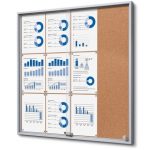 Wall Mounted Sliding Glass Notice Boards
 Outdoor Lockable Notice Board
 Pin Notice Board

 Bells
Bells Career Wheels
 Document Tray
 Files
Files Geometrical Set
 Globe
Globe Paper Punch
 Paper Shredder
 Set Square
 Projectors for Hire
 LCD Projector Stands
 Tripod Projection Screens
 Electric Projection Screens
 Manual Pull Down Projection Screens
 Presenter
 Chalkboard Board / Black Board
 Glass Boards
 Laptops
 Desktops
 Printers