
Starting a Casino: A Comprehensive Guide on How to Open a Gaming Establishment

What is a Casino?
A casino, also known as a gaming establishment or house of chance, is a business that offers various forms of legalized gambling activities, such as card games, slots, and table games. Casinos can range from small, intimate venues to large resort complexes with multiple amenities.
History and Evolution
The concept of casinos has been around for centuries, dating back to ancient kiwitreasures casino Rome and Greece. However, modern casinos began to take shape in the late 19th century, particularly in Europe and North America. The first casino opened in Monaco in 1863, followed by other iconic establishments like Monte Carlo Casino (1864) and Las Vegas’ Fremont Hotel & Casino (1952).
Types of Casinos
There are several types of casinos, each with its unique characteristics:
- Land-based casinos : Traditional brick-and-mortar establishments that offer a range of gaming options.
- Online casinos : Virtual platforms that allow players to access games and services remotely through the internet.
- Casino resorts : Integrated complexes combining accommodations, dining, entertainment, and leisure activities with gaming facilities.
How to Start a Casino
Starting a casino is an intricate process requiring extensive planning, research, and compliance with relevant laws and regulations:
Step 1: Research and Feasibility Study
- Evaluate your target market’s demand for casinos in the area.
- Assess local regulatory requirements (licensing fees, permits, zoning).
- Consider infrastructure costs, including construction or renovation of the building.
Step 2: Secure Funding
- Determine startup capital needs and potential revenue streams.
- Explore financing options (loans, investors, partnerships).
Step 3: Obtain Licenses and Permits
- Comply with federal, state, or local laws governing casino operations.
- Submit applications for licenses to relevant authorities.
Step 4: Design and Construct the Venue
- Hire architects and designers specializing in casinos.
- Meet safety standards (fire alarms, security systems).
Step 5: Acquire Games and Equipment
- Source games and software from reputable manufacturers.
- Install necessary gaming hardware.
Step 6: Staffing and Operations Management
- Hire experienced professionals (casino managers, dealers, IT staff).
- Establish policies for player loyalty programs, customer service standards.
Legal Considerations
Gambling regulations vary significantly worldwide:
- Age restrictions : Minimum age requirements to gamble in different regions.
- Gaming laws : Permitted games and stakes.
- Taxes on winnings : Implications of tax rates on casino profits.
- Host state agreements : Provisions for local governments’ share of revenue.
Risks, Benefits, and Considerations
Pros:
- Economic growth through job creation and tourism
- Potential for social benefits (revenues supporting education or healthcare initiatives)
- Opportunities for innovative technology adoption
Cons:
- Crime and money laundering risks associated with unregulated activities
- Displacement of local businesses due to gentrification or increased competition
 Magnetic White Boards
 Dry Erase White Boards
 Double Sided White Board
 Heavy Duty White Boards
 Free Standing White Board
 Tripod White Board Stands
 Wheeled Stand
 Flip Chart Stand With Wheels
 Flip Chart Stands
 Flip Chart With Tripod Stand
 Heavy Duty White Board Stands
 Imported White Board Stands
 Laminated Graph Board Sheets
 Laminated Heavy Duty Graph Board
 Magnetic Graph Board
 Heavy Duty Notice Boards
 Imported Notice Boards
 Free Standing Double Sided Glass Notice Boards
 Free Standing Single Sided Glass Notice Boards
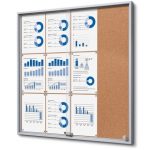 Wall Mounted Sliding Glass Notice Boards
 Outdoor Lockable Notice Board
 Pin Notice Board
 Bells
Bells Career Wheels
 Document Tray
 Files
Files Geometrical Set
 Globe
Globe Paper Punch
 Paper Shredder
 Set Square
 Projectors for Hire
 LCD Projector Stands
 Tripod Projection Screens
 Electric Projection Screens
 Manual Pull Down Projection Screens
 Presenter
 Chalkboard Board / Black Board
 Glass Boards
 Laptops
 Desktops
 Printers