Casinovirksomhet i Norge: En Oversikt

Casino Industry in Norway: An Overview
Casinos have become a significant part of modern entertainment, offering a thrilling experience for many individuals. However, the Norwegian casino industry is subject to strict regulations and licensing requirements. This article will provide an in-depth look at the casino industry in Norway, exploring its history, types, legal framework, advantages, and disadvantages.
A Brief History of Casinos in total kasino Norway
Casinos have been present in Norway for several decades, with the first licensed casino opening in 1974. Initially, casinos were operated by private companies under strict government supervision. Over the years, the Norwegian government has implemented various regulations to ensure responsible gaming practices and minimize problem gambling.
The Norwegian Gaming Law
The Norwegian Gaming Law (Spillloven) of 1992 established a comprehensive framework for regulating all forms of gaming in Norway, including casinos. The law mandates that all games must be tested and approved by the Norwegian Gaming Authority (Spillemyndigheten), which also issues licenses to operators.
Types of Casinos in Norway
There are several types of casinos operating in Norway:
- Land-based casinos : These are physical establishments where players can gamble against real dealers or automated machines.
- Online casinos : Online platforms that offer a range of casino games, including slots, table games, and poker. Norwegian online casinos must hold a valid license issued by the Norwegian Gaming Authority.
Regulations and Licensing
The Norwegian Gaming Law imposes several requirements on operators:
- License application : Operators must submit an application to the Norwegian Gaming Authority, providing detailed information about their business.
- Security measures : Casinos are required to implement robust security measures, including secure payment systems, encryption protocols, and regular audits.
- Problem gambling prevention : Operators must implement policies aimed at preventing problem gaming, such as responsible gaming tools, self-exclusion programs, and customer support.
Casino Taxes in Norway
Casinos operating in Norway are subject to various taxes:
- Value-added tax (VAT) : Casinos pay a 25% VAT on gross revenue.
- Gross win tax : A fixed-rate tax of NOK 1,000 per casino table or slot machine.
Types of Games Offered
Norwegian casinos offer an array of games:
- Slots : Online and land-based casinos feature a wide range of slots, including classic fruit machines, video slots, and progressive jackpots.
- Table games : Popular table games like roulette, blackjack, and baccarat are available in both online and physical casinos.
Roulette Variations
Norwegian casinos offer various types of roulette:
- European Roulette : The standard version with 37 pockets (0-36).
- French Roulette : An adaptation with a higher house edge due to the presence of additional pocket colors.
- American Roulette : A variation with two zeros, offering an increased probability for players.
Responsible Gaming and Problem Gambling
The Norwegian government has implemented several measures to prevent problem gaming:
- Self-exclusion programs : Players can choose to be excluded from participating in online or land-based casinos.
- Spam blocking : Operators are required to implement spam filters to prevent unwanted communications.
Online Casino Payment Methods
Norwegian players can use various payment methods to fund their online casino accounts:
- Credit/debit cards
- E-wallets (e.g., Skrill, Neteller)
- Mobile payments (e.g., PayPoint)
Players must ensure that the chosen payment method is accepted by both the player’s bank and the online operator.
Security Measures
Casinos operating in Norway implement robust security measures:
- Data encryption : Secure sockets layer (SSL)/transport layer security (TLS) protocols safeguard personal data.
- Regular audits : Casinos conduct regular reviews to verify compliance with regulations and ensure fairness of games.
- Player verification processes : Operators must perform thorough player verifications, including age checks and identity validation.
Advantages of Playing in Norwegian Casinos
Playing in licensed Norwegian casinos offers several benefits:
- Regulatory oversight : Strict government supervision ensures a safe gaming environment.
- Protection for players : Responsible gaming policies minimize risks associated with problem gambling.
- Fair gameplay : Regular audits and testing ensure that games are free from manipulation or exploitation.
Disadvantages of Playing in Norwegian Casinos
While the casino industry in Norway has many advantages, there are some disadvantages to consider:
- Limited game selection : Compared to other European countries, Norway’s casinos may offer a narrower range of games.
- Tax burden on operators : The high tax rate can make it challenging for new businesses to enter the market.
Common Mistakes or Misconceptions
Some players may be unaware of certain aspects regarding playing in Norwegian casinos:
- Age restrictions : Only individuals aged 18 and above are eligible to participate in gaming activities.
- Responsible gaming measures : Some players might underestimate the potential risks associated with problem gaming.
Payment Methods for Casinos in Norway
Norwegian players have access to various payment methods when participating in online casinos:
- Credit cards (e.g., Visa, Mastercard)
- E-wallets (e.g., Skrill, Neteller)
Players must be aware that some operators may not accept all of these options.
Comparison between Online and Offline Casinos
While both types of casinos offer a range of games, there are key differences:
- Convenience : Online casinos provide greater flexibility for players.
- Game variety : Some games may only be available in online or land-based formats.
Overall, playing in licensed Norwegian casinos offers numerous benefits. However, it is essential to maintain responsible gaming practices and be aware of the potential risks associated with problem gambling.
By understanding the intricacies of Norway’s casino industry, both players and operators can navigate this complex regulatory environment effectively. This comprehensive overview provides a solid foundation for anyone interested in exploring the exciting world of Norwegian casinos.

 Magnetic White Boards
 Dry Erase White Boards
 Double Sided White Board
 Heavy Duty White Boards
 Free Standing White Board
 Tripod White Board Stands
 Wheeled Stand
 Flip Chart Stand With Wheels
 Flip Chart Stands
 Flip Chart With Tripod Stand
 Heavy Duty White Board Stands
 Imported White Board Stands
 Laminated Graph Board Sheets
 Laminated Heavy Duty Graph Board
 Magnetic Graph Board
 Heavy Duty Notice Boards
 Imported Notice Boards
 Free Standing Double Sided Glass Notice Boards
 Free Standing Single Sided Glass Notice Boards
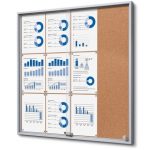 Wall Mounted Sliding Glass Notice Boards
 Outdoor Lockable Notice Board
 Pin Notice Board

 Bells
Bells Career Wheels
 Document Tray
 Files
Files Geometrical Set
 Globe
Globe Paper Punch
 Paper Shredder
 Set Square
 Projectors for Hire
 LCD Projector Stands
 Tripod Projection Screens
 Electric Projection Screens
 Manual Pull Down Projection Screens
 Presenter
 Chalkboard Board / Black Board
 Glass Boards
 Laptops
 Desktops
 Printers